

Scroll through any ranked lobby complaint thread and you’ll find the same argument on repeat: crossplay is wrecking competitive integrity by throwing controller players against mouse-and-keyboard veterans. It’s a compelling story. It’s also mostly wrong.
The data on matchmaking behavior and player retention tells a different story—one where crossplay strengthens the ecosystems that competitive games depend on, rather than eroding them.

Why Gamers Assume Crossplay Hurts Fair Play?
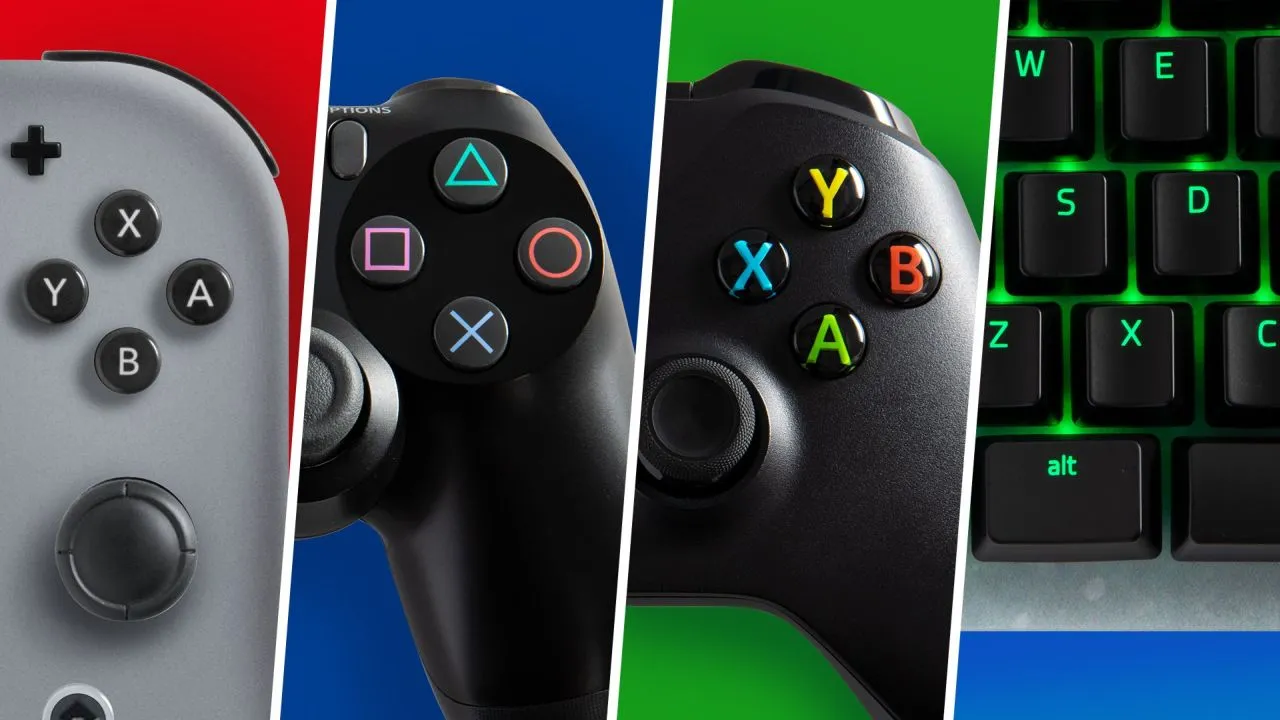
The suspicion makes intuitive sense. Mouse-and-keyboard players can flick to targets with pinpoint precision, while controller players rely on aim assist to stay competitive at range. Mix the two together, the thinking goes, and someone gets steamrolled.
This assumption ignores how most competitive titles actually handle input pools. Ranked queues in major shooters rarely blend these groups indiscriminately. T
he perception of chaos persists mostly because casual crossplay modes do mix inputs, and those experiences shape community sentiment even when they don’t reflect ranked design.
What Matchmaking Data Actually Shows Us?
Look at Overwatch 2 as a working example. Ranked competitive play keeps PC players separated from controller-based console players, and crossplay between the two groups is limited to non-competitive modes.
Console players who switch to native mouse and keyboard get routed into their own dedicated pool. That’s not a system ignoring balance—it’s one actively engineering around it.
Broader industry numbers back up the retention side of this equation too. Streaming platforms retain subscribers longer when recommendations are clearly structured. Sports betting apps see higher return rates when odds and markets are transparent.
Esports platforms sustain engagement through clear ranking systems. Bitcoin casino platforms follow the same logic — a bitcoin casino list with curated operator profiles and clearly listed payout terms shows how structured transparency drives platform trust.
Games with cross-platform support show roughly 45% higher 30-day engagement retention, based on recent cross-platform adoption data. Retention like that doesn’t happen if matches feel unfair.
Where Mixed-Platform Play Improves Player Pools?
Bigger pools mean better matchmaking, full stop. When a game draws players from PC, consoles, and cloud platforms simultaneously, its matchmaking system has far more candidates to pull from at every skill tier.
That translates to tighter skill-based matches and shorter queue times, especially outside peak hours when single-platform games often struggle to fill lobbies.
Publishers running cross-play services have reported 35 to 48% higher player retention compared to single-platform deployments, with crossplay users logging sessions roughly 2.1 times longer, according to cross-play market research.
Longer sessions and stickier populations give developers room to filter matches by rank, region, and input method all at once—something that’s much harder to do when the player base is fragmented across isolated platform silos. In practice, this means crossplay often produces more consistent competitive environments, not less.
The Real Factors Behind Skill Imbalance
If crossplay isn’t the villain, what actually drives perceived imbalance? Individual skill variance, inconsistent aim-assist tuning, and squad composition matter far more than platform origin.
Community discussion around games like Apex, Warzone, and Fortnite highlights how mouse-and-keyboard players tend to dominate long-range mechanical aiming, while controller players with aim assist deliver more consistent close-range tracking, based on analysis of cross-platform squad dynamics.That’s not one side beating the other—it’s complementary strengths playing out across a mixed roster.
Developer responses reinforce this too. When community feedback pushed back against shared PC-console matchmaking in a high-stakes extraction shooter, the response wasn’t to scrap crossplay altogether.
Instead, developers kept console-only crossplay intact while separating it from PC pools, showing a deliberate, calibrated approach rather than a blanket retreat.
The real lesson here is that competitive balance was never solely about which controller someone holds. It’s about deliberate design choices—input-based pools, tuned aim assist, and population-driven matchmaking—that crossplay actually makes easier to sustain, not harder.
