


Cards were the default for years, and they were never a good fit. A card payment routes through an issuing bank that may decline the transaction outright, exposes the card number to a merchant that has no reason to hold it, and takes days to send anything back.
Digital wallets solved all three problems by inserting a layer between the two parties, which is why they now handle a substantial share of gaming transactions and why the mechanics behind them are worth knowing.

The Layer in the Middle
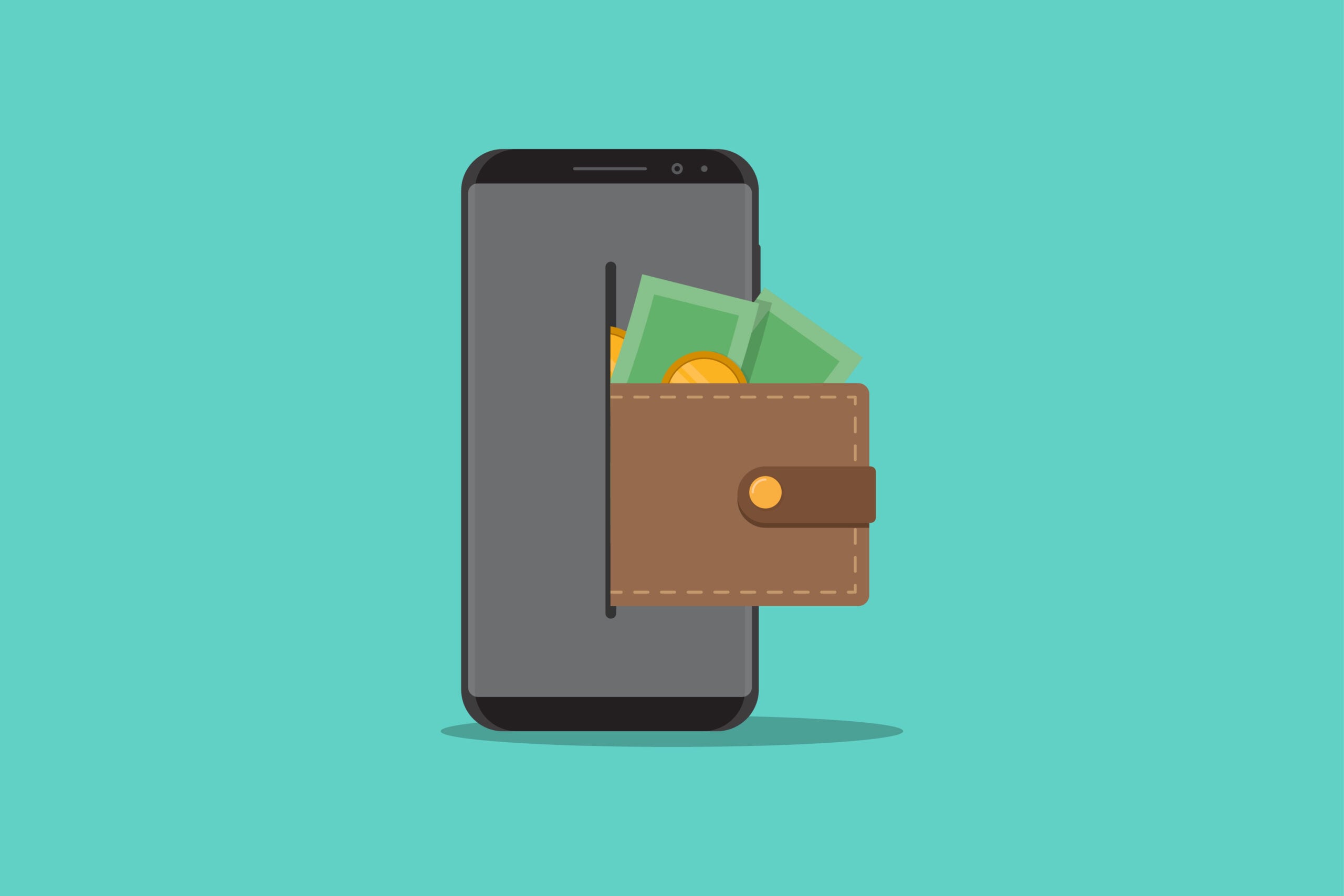
A wallet is a holding account. You fund it from a bank account, card, or transfer, and from that point the casino interacts with the wallet rather than with your bank.
That indirection produces the three advantages people notice. Payment credentials never reach the gaming platform, so a data breach on its side cannot expose them.
Transfers between the wallet and the operator settle almost immediately, because both sides are already inside the same payment network. And the wallet acts as a natural budgeting boundary, since only what you have moved into it is available to spend.
The Deposit Path
Deposits are the simple half of the process, and understanding the sequence explains where the occasional delay comes from.
- Funds move from your bank or card into the wallet, which is the slowest step and the one most people forget to do in advance.
- You select the wallet at the cashier and authorize the transfer, usually with a password or biometric confirmation.
- The operator receives confirmation and credits the balance, typically within seconds.
- The transaction is recorded against your account, which matters later for withdrawals.
Minimums are generally modest, often around ten units of currency, and the operator rarely charges for the deposit itself. Any cost usually sits at the wallet level in the form of funding or conversion charges.
Withdrawals Are Not the Deposit Reversed
The return journey follows different rules, and the mismatch surprises people who assume symmetry. Two mechanisms shape it.
The first is return-to-source, an anti-money-laundering requirement rather than a house policy. Withdrawals must generally go back to the method used for deposit, at least up to the amount deposited, which is why funding an account one way and requesting payment another usually fails.
The second is verification: identity documents are checked before the first withdrawal clears, and the name on the wallet has to match the name on the gaming account.
Completing that step at Yep Casino Online or any other licensed platform shortly after registering removes the delay that otherwise arrives at the worst moment.
After approval, wallet withdrawals are typically credited within hours rather than the several business days a bank transfer takes.
One detail in that gap deserves a decision made in advance. Some platforms hold approved payouts in a pending state for a set period, during which the request can be canceled, and the money returned to the playable balance.
The feature exists for convenience, but a payout that can be undone with two taps is easy to undo, and turning it off, where the option exists, costs nothing.
Speed and Cost, Side by Side
The comparison below reflects common industry ranges rather than any single operator’s terms, which vary.
| Method | Deposit speed | Withdrawal speed | Typical costs |
| E-wallet | Instant | Hours after approval | Conversion or funding fees at the wallet level |
| Debit card | Instant | Two to five business days | Occasional issuer fees, frequent declines |
| Bank transfer | Hours to days | Three to five business days | Sometimes a flat fee per transfer |
| Prepaid voucher | Instant | Not supported for payout | Purchase fee, requires a second method |
Currency conversion deserves particular attention. A wallet holding one currency and an account denominated in another can lose a few percent on every movement in each direction, which accumulates far faster than any transaction fee.


Where Promotions Complicate Things?
One restriction catches more players than any other, and it appears in the terms rather than the cashier. Operators frequently exclude specific wallets from promotional eligibility, meaning a deposit that funds your balance perfectly well may not qualify for an offer.
Checking the Casino Bonuses terms before funding an account is the habit that avoids this entirely. The exclusion list is short, it is published, and it is far easier to read in advance than to argue about afterward.
Choosing Between Providers
The major wallets differ more than their marketing suggests, particularly on gaming acceptance, since some decline gambling merchants outright, while others specialize in them.
Fee structures, supported currencies, verification requirements, and payout limits all vary as well. Working through a comparison of the main e-wallet options is a faster route than opening five sets of terms and conditions, and the decision is worth making once rather than repeatedly at the cashier.
Setting It Up Once and Forgetting It
None of this is complicated, but it is front-loaded. Fund the wallet, verify the account, confirm promotional eligibility, and check the currency alignment, and the payment side of the experience disappears into the background where it belongs.
Skip those steps, and every one of them resurfaces later, usually attached to a pending withdrawal and a support ticket. An hour spent on setup is the cheapest hour in the entire process.

