


Tilt is the gambler’s word for the moment emotion overrides judgment, when a frustrated player starts chasing losses with bigger, faster, and worse decisions. Mobile betting apps can now spot that moment as it forms.
Using patterns drawn from how a person taps, scrolls, and bets, paired with sensor data the phone already collects, machine-learning models flag the early signs of tilt before the player consciously feels them. What an operator does with that signal raises sharp ethical questions.
The same detection can either push a vulnerable user further or step in to protect them, and that choice is becoming a defining issue for the industry.

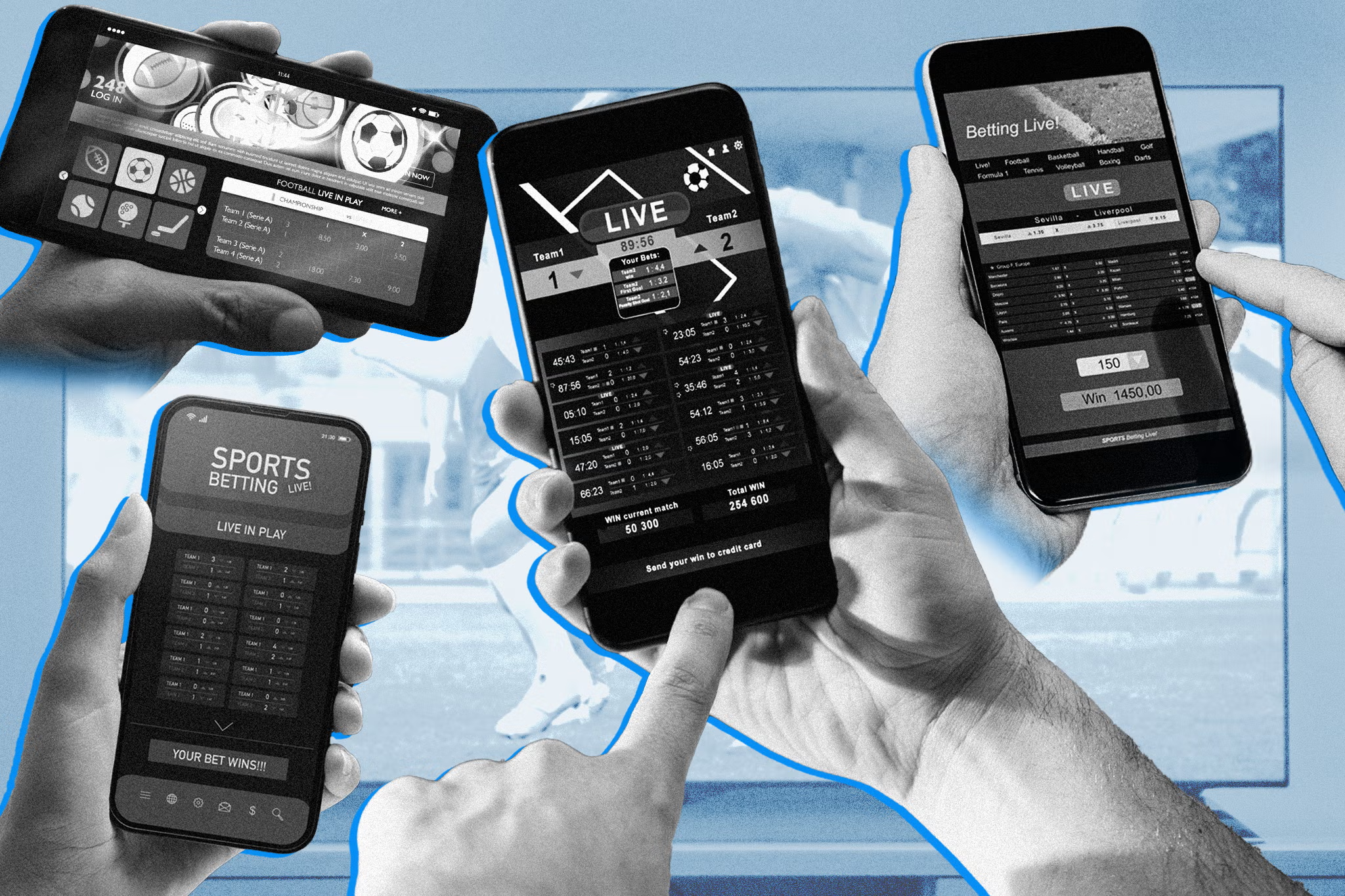
How An App Reads The Signs?
The clues are subtler than a single big loss. Models watch for a cluster of behaviors, including bet sizes creeping upward, the time between wagers shrinking, rapid switching between markets, and a jab at the screen that grows harder and faster.
Some apps fold in device sensor data, since a shaking hand or erratic scrolling can betray rising stress. None of these signals means much alone, but together they form a recognizable fingerprint of a player losing control.
The model learns that fingerprint from millions of past sessions, then watches the live one for the same shape quietly emerging.
Crucially, the system compares the current session against the same player’s own calm baseline, so a naturally fast bettor is not mistaken for one who has lost control.
Tools That Put The Player In Charge
Used responsibly, the same intelligence becomes a genuine safeguard rather than a trap. Reputable operators are turning tilt detection into prompts that hand control back to the user, from spending caps to enforced pauses.
The online casino Spincity offers tools in this spirit, letting players set deposit limits, session timers, and reality checks that interrupt play before a heated moment turns costly.
The most useful of these features share a simple aim, placing a calm decision between the player and an impulsive one:
- Deposit and loss limits that the player sets in advance and cannot raise on a whim.
- Session timers that surface a clear reminder once a chosen period has passed.
- Reality checks that pause the screen and display how long play has lasted.
- One-tap cooling-off periods that lock the account for a set stretch of time.
Each tool works precisely because it is decided in a clear-headed moment and honoured in a heated one. That is the opposite of exploiting tilt; it is defusing it.
Independent research consistently finds that limits chosen voluntarily and in advance work far better than warnings delivered in the heat of a losing streak.
Two Roads For The Same Technology
The same behavioural signal can point in two completely different directions depending on what an operator decides to do with it.
A model that spots a player heating up produces one prediction; what happens next is a choice, not a technical inevitability.
The table below sets those choices side by side, pairing each warning sign with the exploitative move that squeezes more revenue from it and the protective move that steps in on the player’s behalf.
| Player signal | Exploitative response | Protective response |
| Rising bet size | Offer a deposit bonus | Suggest a short break |
| Faster wagering | Surface a fresh market | Show a reality check |
| Signs of stress | Hide the withdrawal button | Prompt a cooling-off period |
| Long session | Reward continued play | Display time and loss totals |
The technology itself is neutral; the intent behind it is not. Where regulators are watching closely, the protective column is steadily becoming the expected standard rather than the rare exception.
Several jurisdictions now require operators to log how they respond to these flags, which slowly shifts the incentive away from short-term revenue and toward genuine duty of care.

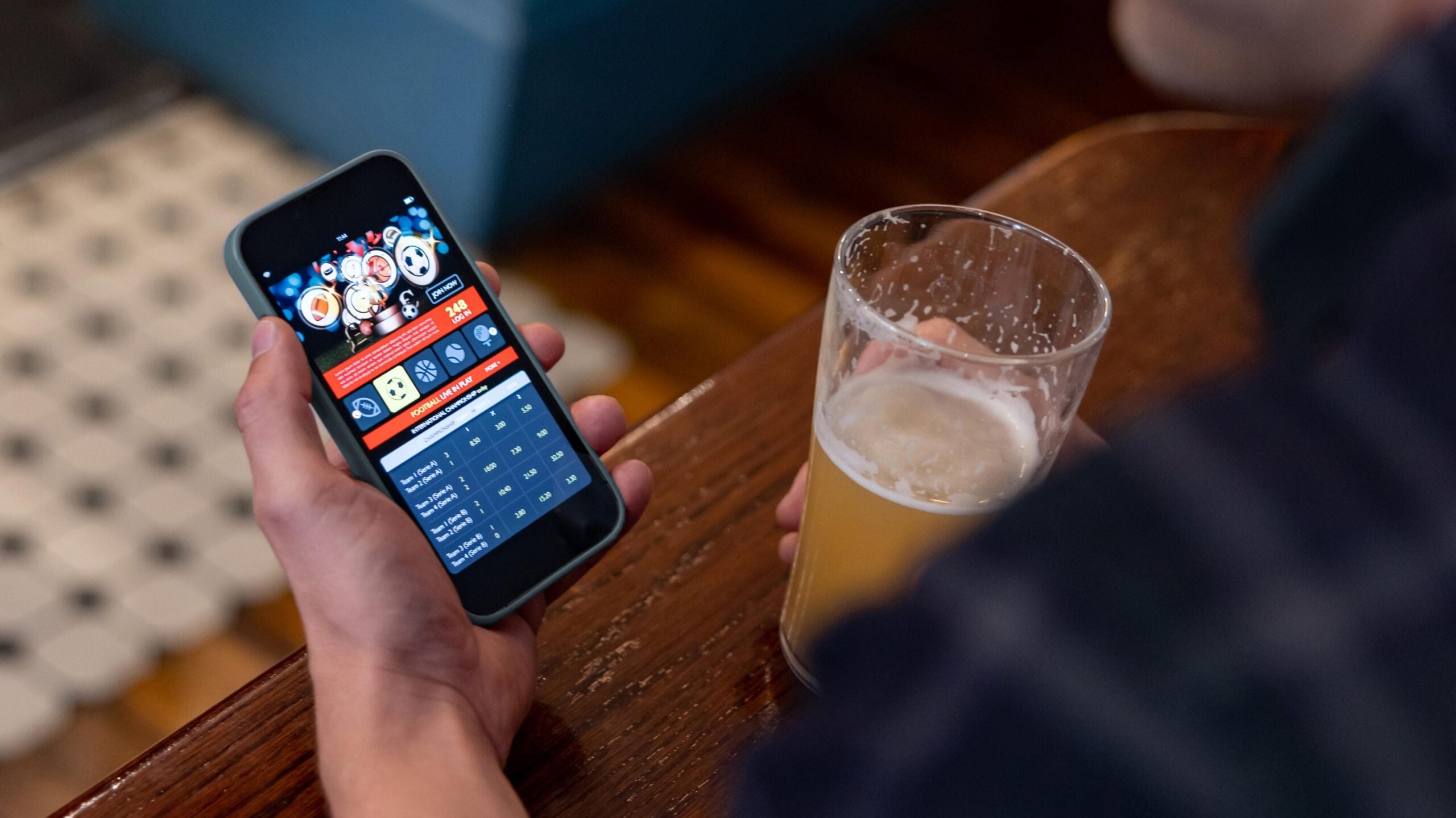
Whose Side Is The Algorithm On?
Tilt detection is one of the most powerful tools betting technology has produced, and its value depends entirely on intent. The same model that could nudge a struggling player toward another bet can just as easily guide him toward a break.
Regulators, operators, and players all hold a stake in which use wins. Anyone who gambles should learn what protective tools their app offers and switch them on before a session, not after.
Transparency about how these systems work is the next frontier, since players can only trust a safeguard they are allowed to understand. The smartest move in the face of tilt is to decide the rules while the mind is still calm.

