


It’s easy to see why many people believe AAA video games are the innovators working on the bleeding edge of game design. But actually, if you’re pouring in hundreds of millions into a game, you want something that’s tried-and-tested, otherwise no one will fund it.
Instead, it’s video games that have long borrowed from ancient games, and this includes the online casino, card games, and slots. After all, what has survived decades clearly works.
Slots are often disrespected when it comes to design community, with slander of being repetitive and mindless. Far from it, there are many things that other game developers can borrow from them.

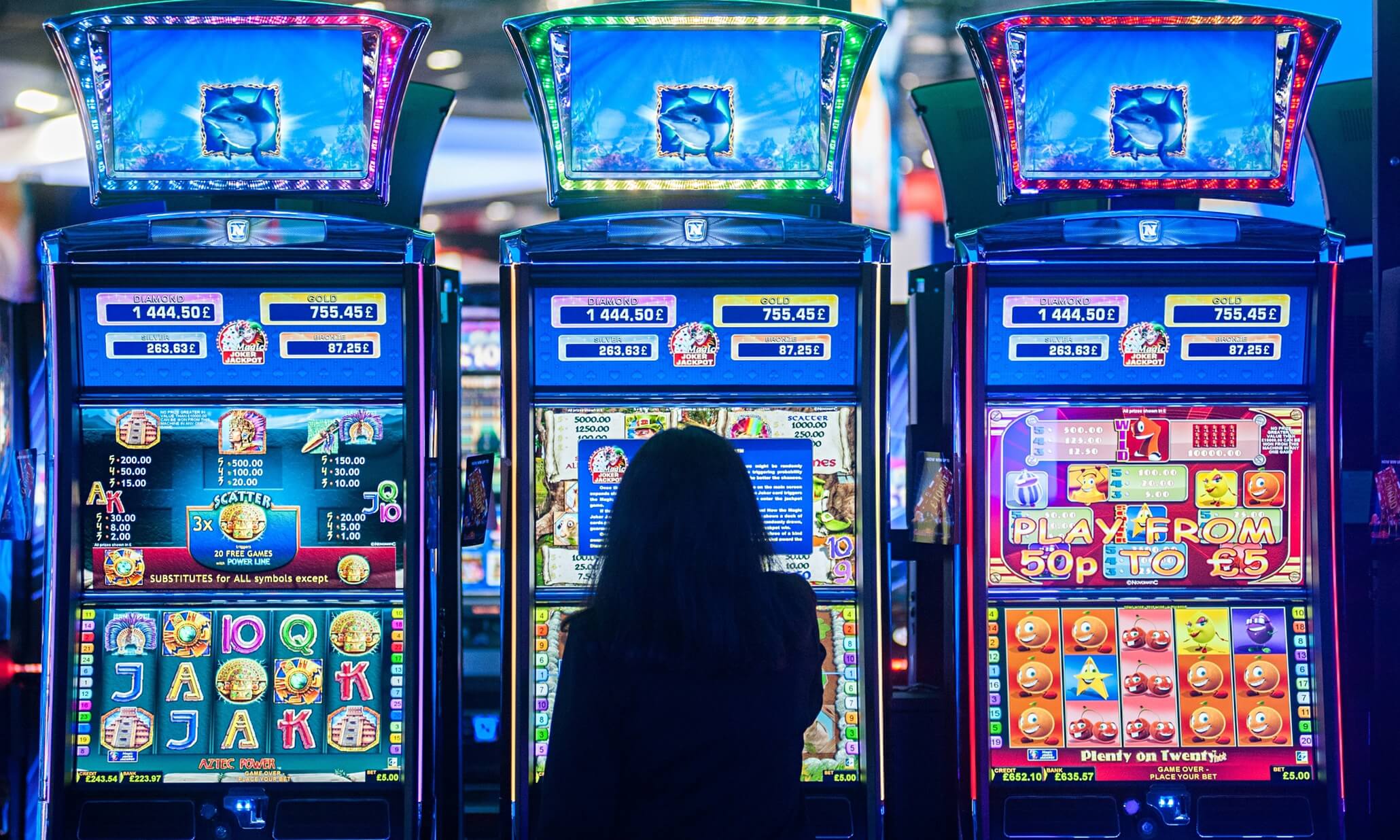
The variable ratio schedule under the hood
Every classic slot game has a principle that psychologist B.F. Skinner identified in the 1950s: the variable ratio reinforcement schedule.
It’s the timetable of how rewards arrive after an unpredictable number of actions and it produces behaviour that is the hardest to extinguish. Not variable size. Variable timing.
It sounds obvious but a fixed reward (win every 15th spin, get a bonus every 5th level) trains players to coast. Now, that is mindless after the patterns burns in. Variable timing means that the next go could be the next reward – it’s possible, and therefore it keeps you engaged at all times.
Near-misses are a deliberate
Stopping one symbol short of a jackpot doesn’t feel like a loss. It registers somewhere between a win and a miss, a bit like Arsenal finishing second after a long, impressive season. Near-misses light up reward-related brain regions. Full misses do not.
It’s something we see in films, where the hero almost succeeds, then fails, a few times over before the real resolution or third act. It’s something that all games can incorporate. But again, variance is key.
Layered rewards
The best slot designs don’t really use just one reward type. There’s:
- Base-game small win (immediate)
- Scatter-triggered bonus round (medium-term)
- Slow-build jackpot/hold-and-win mechanic accumulating over sessions (long-term)
Each layer has a different cadence. Players are always, simultaneously, close to something, or multiple things simultaneously.
It’s the ideas behind live-service games like daily quests, weekly challenges, battle passes, prestige unlocks. Fortnite may have truly popularized this, but they have been known for a long time in casino circles. It’s the goal-gradient effect where motivation increases as you approach a reward.

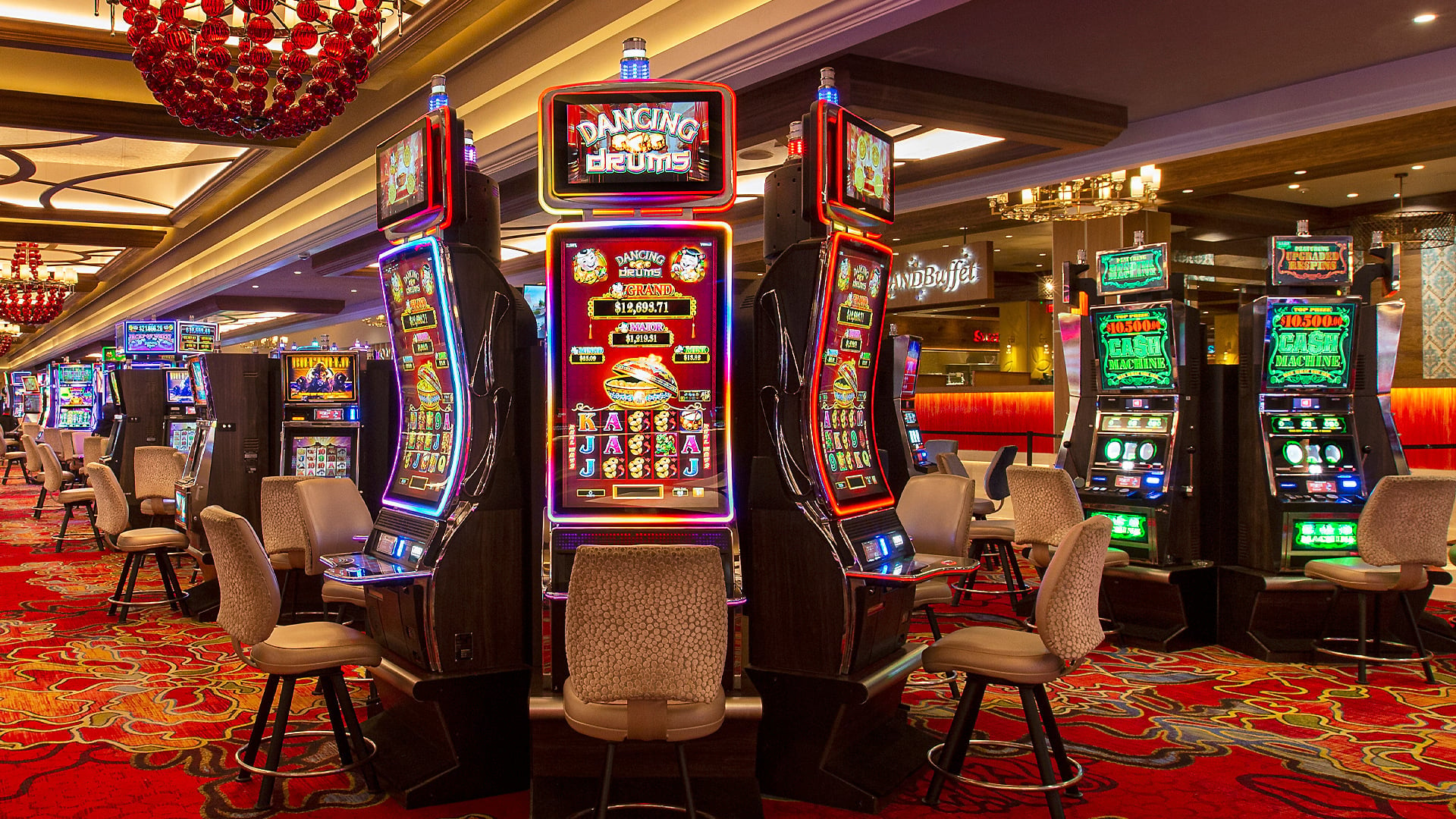
Audio-visual feedback does more work than the win itself
In slots, a spin that results in a net loss can still feel rewarding if the feedback is celebratory and strong enough.
The jingle of physical coins in a casino after a win is deeply desirable, even if we only overhear it from another person playing. That’s not pre-programmed, but it is by design, and we can do this digitally with audio.
Though, some games sometimes think they can just put any obnoxious sound after a reward and it will work, like Call of Duty often did after kills, ranking up, and so on.
We need feedback from players to really judge. Things like Duolingo’s streak animations and the haptic thud of a confirmed purchase are good examples.
Slots have mastered the art of keeping players engaged through their reward structures, but let’s not sleep on how they design audio, storylines, and general mechanics.

