


There’s no doubt that Texas Hold’em is the most famous and popular poker variant. However, Omaha poker offers an exciting alternative for players looking for something different.
Despite its inherent thrill and fast-paced action, it often surprises those coming from a Hold’em background. In this article, we’ll share the best tips to help you enjoy the game to the fullest. That said, we recommend first trying out different poker variations for free at non GamStop casinos.
A clear understanding of the differences between poker variants will help you avoid costly mistakes and better prepare you for the unique dynamics that make Omaha poker both challenging and exciting.

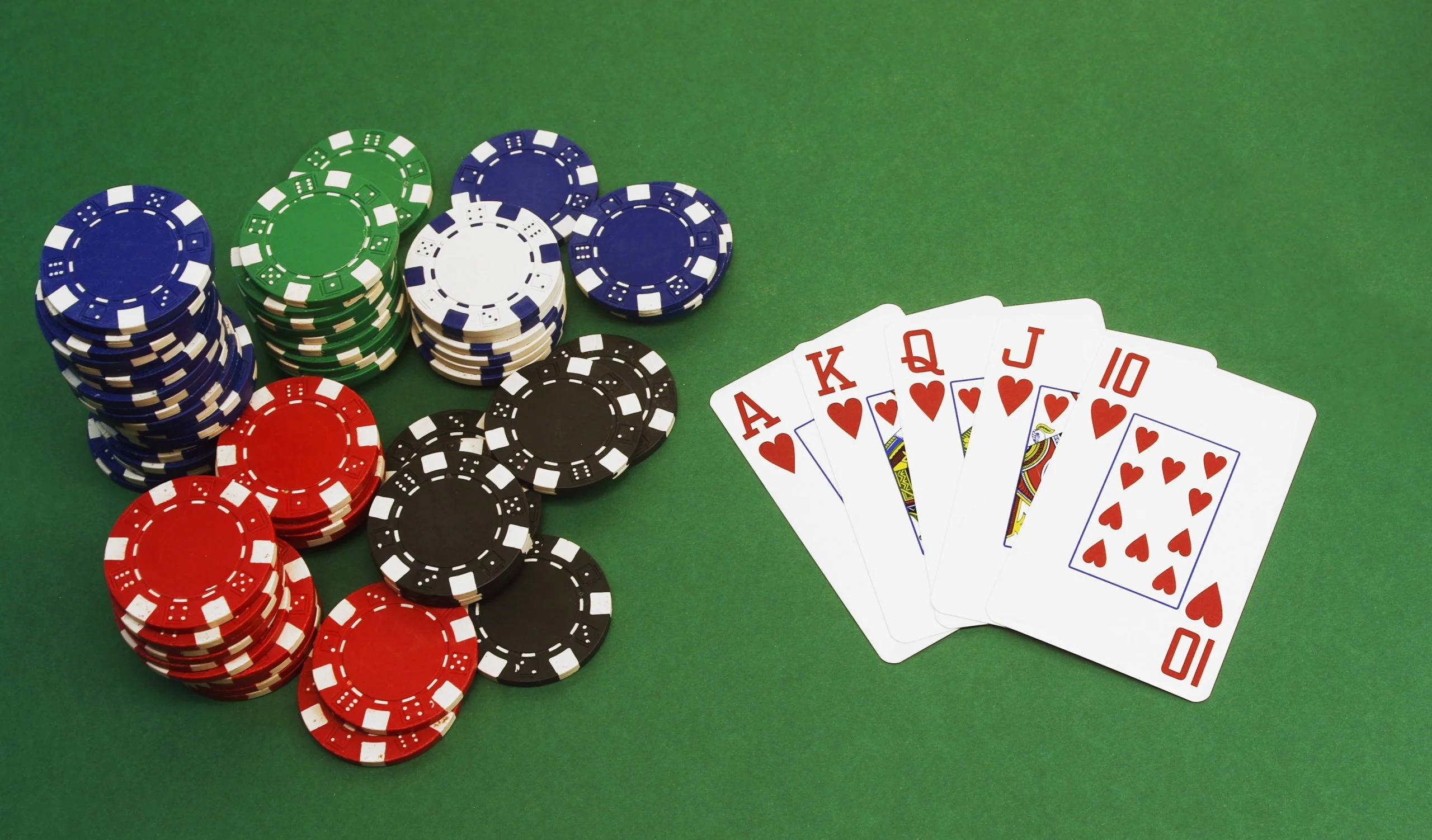
You Must Use Two Starting Cards
This is an Omaha rule that beginners often stumble over, especially those with prior Hold’em experience. Omaha dictates that you must always use exactly two of your starting cards. AAAA is therefore not four of a kind, but simply a pair of aces.
Each ace would also be a different suit – thus, there would be no chance of a flush. It follows from this logic that you always need two cards of the same suit (hearts, diamonds, spades, clubs) to make a flush.
High Pairs Are Weaker Than In Hold’em
AAKK with two suits is considered the best Omaha starting hand. While AA has a winning probability of approximately 82% in Hold’em, this double pair only wins 73% of the time in online Omaha poker, highlighting why many players ask, is non GamStop poker safe, before choosing where to play.
This applies not only to pairs, but generally speaking: Omaha hands are weaker than Hold’em hands; the equity of the hands becomes more similar.
Omaha Is a Game of Draws
In Hold’em, you’ll have a pair on the river 43.8% of the time. In Omaha, a pair is often weaker than ace-high. That’s because PLO is all about draws.
Since you hold four hole cards, there are more draws to be had. If a draw comes up on the turn or river, it’s often expected to have been hit, especially after action on the flop.
Pull Towards the Nuts as Often as Possible
Since Omaha completes many draws, it’s all the more important to draw the best possible ones. Flushes with a nine or ten as the highest card are practically worthless.
At the very least, you should avoid building excessively large pots. Use pot control with medium-strength hands and play passively to reach the showdown cost-effectively.

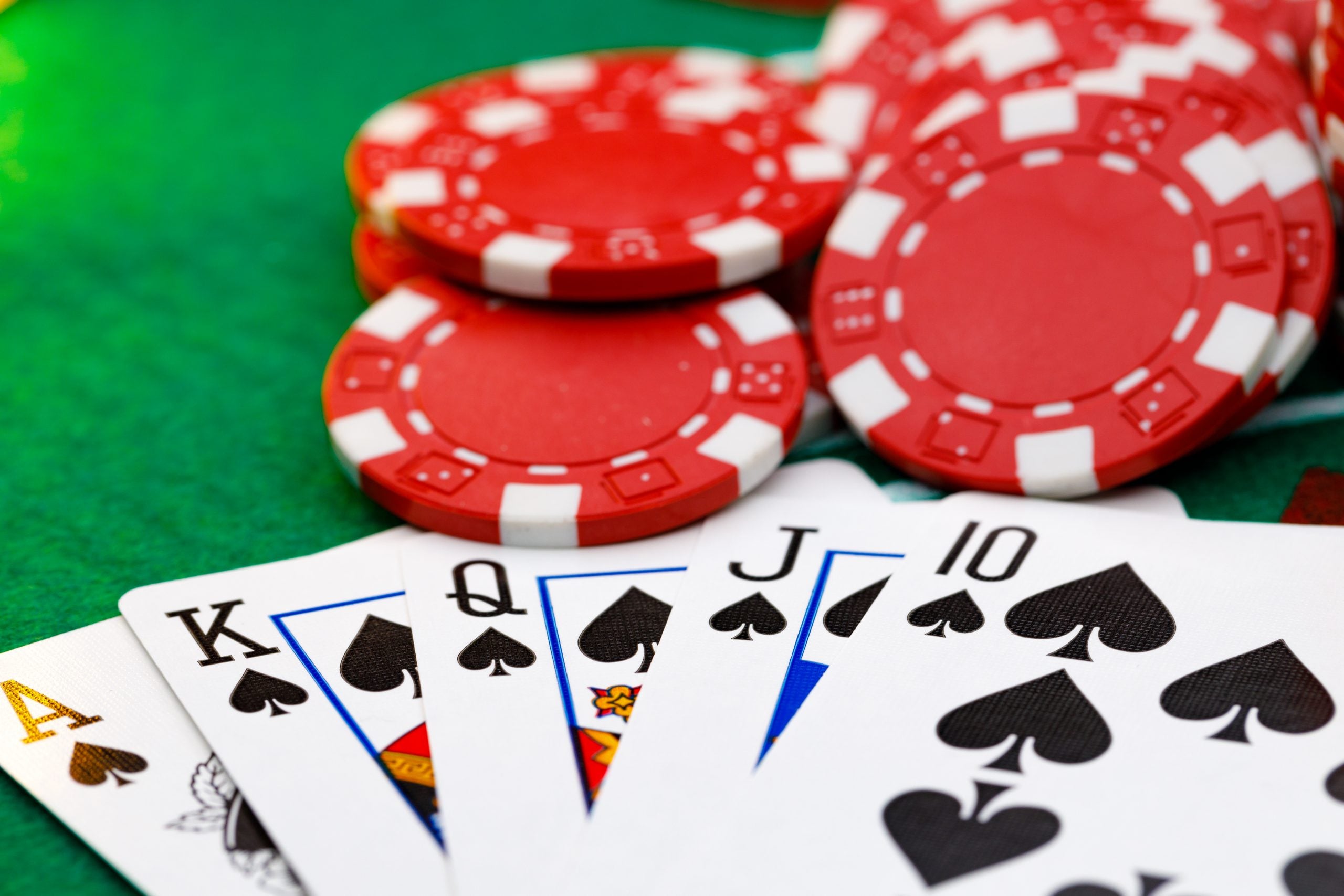
Rundowns Are Among the Strongest Starting Hands
In the ranking of the best Omaha poker hands, JT-9-8 ranks seventh, after various hands containing AA.
The strength of this hand stems from its rundown: On a flop of 7-6-3, for example, every ten, nine, eight, and five makes a straight. This doubles the number of outs compared to an open-ended straight draw in Hold’em.
Limping Can Be a Viable Strategy
In Hold’em, limping – simply calling the big blind – is considered a mistake. Omaha is different: hands containing a pair of aces are ideal for limping.
If an opponent raises, you can either call or raise, depending on the situation. If you call the raise, an ace on the flop gives you an unexpected set, which could trap weaker hands.
However, don’t overdo limping: with aces, your primary goal should be to raise and go heads-up to fully exploit the hand’s strength.
Omaha Poker Strategy for Intermediate Players
Have you taken your first steps and discovered a love for Omaha poker? With the following tips, you’ll close the knowledge gap to experienced players and soon be able to play intelligent bluffs and all-ins.
Position Is Even More Crucial Than In Hold’em
If you have position on your opponent, you have more information available. However, what’s even more important in Omaha poker is that you’re able to control the pot.
Omaha is generally played pot-limit. Therefore, all-ins can be avoided if you, as the second player, play passively and simply call. This approach is particularly advantageous with vulnerable hands like a set without a redraw.
Play Strong Draws Aggressively
With wraps or draws that hit a straight and a flush simultaneously, you’ll hit your outs more than 50% of the time.
Therefore, it makes sense to play these draws aggressively. Put pressure on your opponent and try to force a fold.
If this fails, there’s often already so much money in the pot that your equity is sufficient to cover the remaining chips. The strongest draw is the double wrap, which reveals 20 outs for a straight on the flop.
Careful Bankroll Management
Without it, even the most skilled poker sharks will fail. Due to the similar equity of the hands, swings are inevitable.
While upswings might bring a smile to your face, downswings in Omaha poker are brutal – and sometimes prolonged.
Because of the draw component, more hands culminate in an all-in on the flop or turn. This further fuels swings.
Bluff With Nut Blockers
Bluffs are less common in Omaha poker. Nevertheless, there are situations where you should bluff. For example, if a flush is possible on the board and you hold the ace of the same suit, you can eliminate the nuts for your opponent.
This gives you the opportunity to play your hand like a nut flush. Since bluffs are less frequent, they are more likely to succeed. Often, your opponents are theoretically forced to fold hands like three of a kind or even straights.

