

Cybersecurity used to be built around a simple hope: catch the threat before it spreads. That worked when attacks were slower, networks were smaller, and security teams had time to investigate suspicious activity by hand.
Today, that model is too slow. Malware mutates quickly, phishing campaigns adjust to user behaviour, and attackers test weak points faster than human analysts can review alerts. This is where AI has become more than another security feature.
It now helps modern cyber defense systems recognize unusual patterns, filter noise from real danger, prioritize incidents, and support faster response before damage grows.
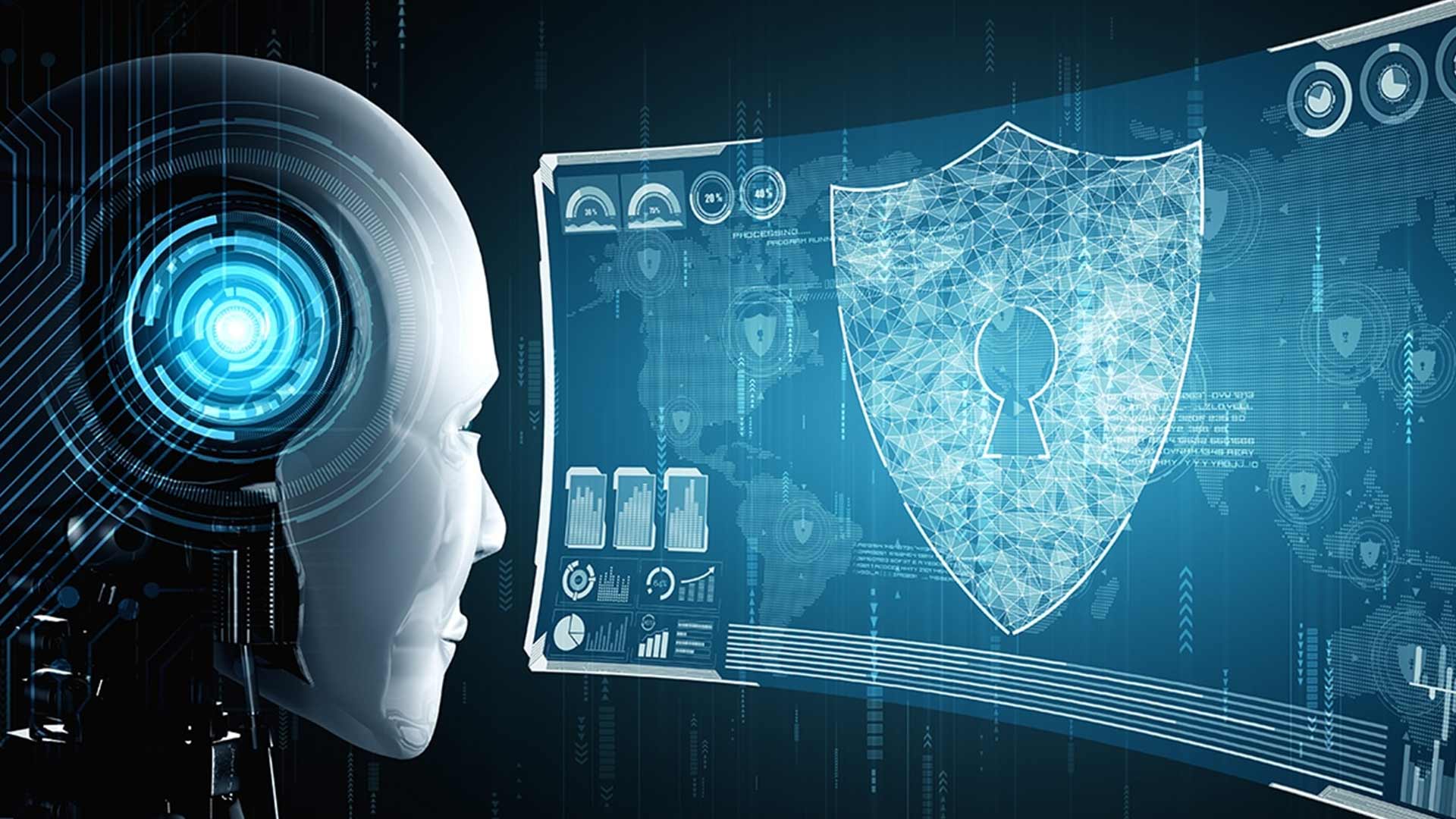
What Was Wrong With the Old Model?
Traditional cyber defense relied on signatures and rules. Known bad files, known bad domains, known bad behavior patterns.
The model worked reasonably well when attackers were slow and predictable, but it broke down completely once threats started mutating faster than rule sets could be updated.
Defenders ended up in a constant catch-up posture, writing new rules for yesterday’s attacks while today’s attacks slipped through.
The volume problem made everything worse. By 2020, even mid-sized companies were generating millions of security events per day, and human analysts simply could not triage that flow.
Critical alerts sat next to obvious false positives in the same queue, and the genuine threats often surfaced too late to matter, sometimes weeks after the initial compromise.
Where AI Actually Helps Inside a Security Stack?
Modern AI does not replace the analyst. It changes which problems land on the analyst’s desk in the first place, and which problems get handled automatically before anyone sees them.
A handful of specific capabilities have become standard inside almost every serious security operations centre over the past three years.
- Anomaly detection that learns what normal behavior looks like for each user and flags genuine deviations rather than rule-based pattern matches.
- Automated triage that ranks incoming alerts by likely severity and folds duplicates together before they reach a human queue.
- Threat intelligence correlation that cross-references new indicators against a continuously updated picture of attacker infrastructure worldwide.
- Behavioral identity verification that distinguishes a real user from an automated session, even when login credentials are valid.
- Response automation that handles routine containment steps without waiting for human approval at every stage.
Together, these capabilities cut the noise an analyst sees by roughly an order of magnitude in most deployments, which is what makes the visible workload manageable again, rather than the unwinnable triage problem it had become by the late 2010s.
Most security teams report a dramatic improvement in mean time to detection.
Which Industries Felt the Shift First?
The early adopters were not the obvious ones. Financial services moved aggressively because regulators forced their hand, but the second wave was less expected: consumer internet companies handling high-value transactions at scale, including online gambling.
Account takeovers, payment fraud, and bonus abuse hit operators hard enough that they invested in AI-driven defense ahead of most sectors.
The visible result on the player side is invisible by design — fewer suspicious-looking activity prompts, faster verification, and welcome offers that hold their value.
Players exploring something like a mr bet welcome bonus benefit from this work without seeing it, because the same AI-driven systems that flag a malicious login also keep the slots, live tables, sports markets, and the casino bonus economics fair for everyone playing legitimately.
In practice, good security should feel less like a barrier and more like a quiet layer that protects the account while the player simply uses the product.
What the New Defensive Stack Looks Like?
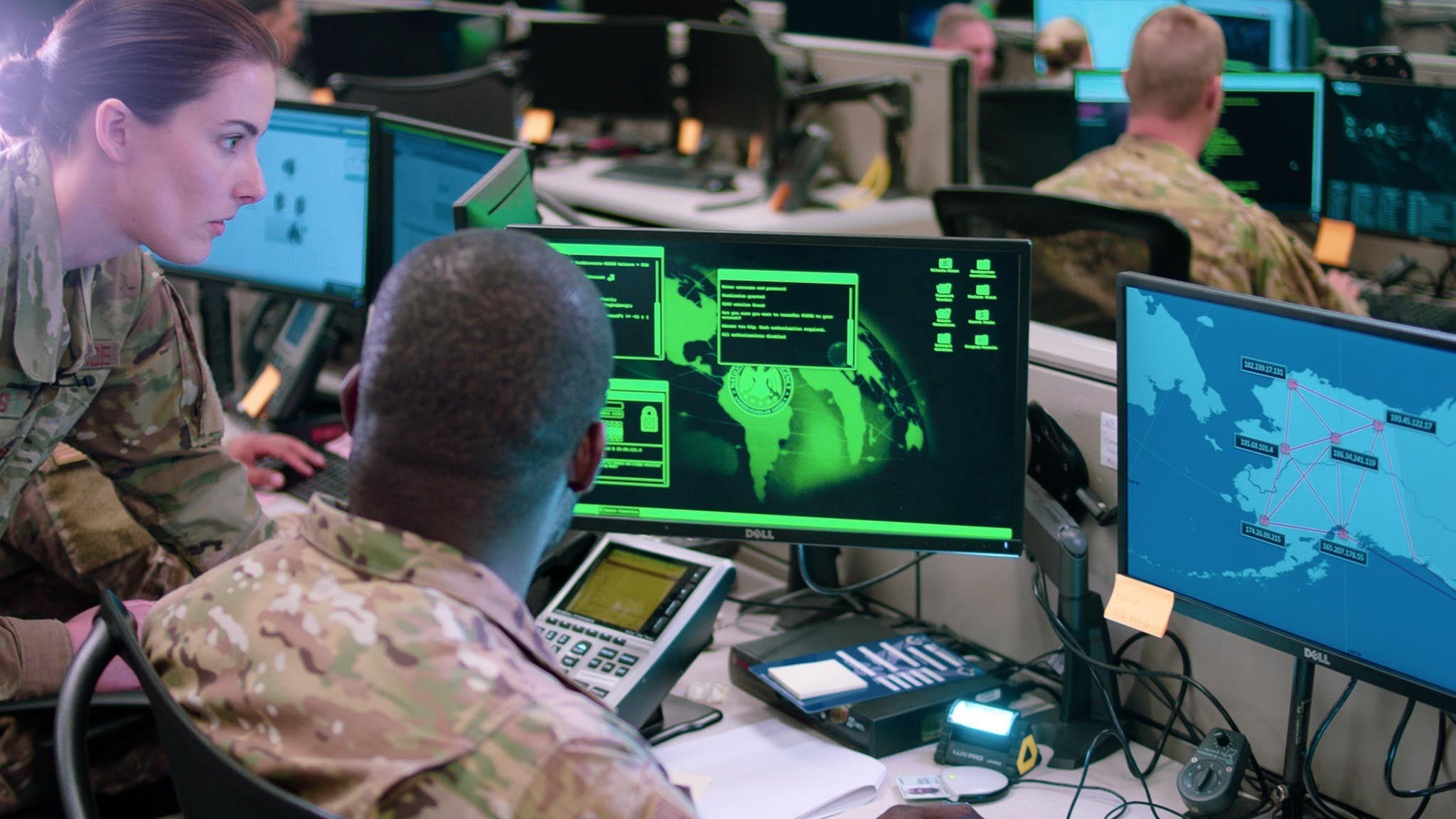
The modern security operations centre runs on a layered model with AI involved at almost every layer. At the perimeter, machine learning filters block known malicious traffic and flag suspicious patterns in real time.
Inside the network, behavioral analytics watch for lateral movement and credential abuse that human-written rules would miss. At the endpoint, AI-driven detection runs continuously on every device, looking for early signs of compromise.
The analysts now sit on top of this stack rather than underneath it. Their job has shifted from chasing alerts to investigating the small number of cases the AI flags as genuinely interesting, which is a much more sustainable role and produces better outcomes for the organizations paying their team.
The Limitations That Still Matter
AI is not a complete answer. The same machine learning techniques that defenders use are available to attackers, and the past two years have produced a real arms race in automated attack generation.
Phishing emails written by language models are harder to spot than the old templated versions, and malware that mutates its code in response to detection is no longer hypothetical.
The Next Chapter in Cybersecurity Defense
The trajectory is toward more autonomous response, with AI systems handling more of the containment work analysts used to do by hand. Full autonomy is still years away, but the slow transfer of routine decisions to AI is reshaping what cybersecurity work involves.
The teams adapting early will define how the field looks for the rest of the decade. The real advantage will belong to organizations that treat AI as a practical layer of defense, not a shortcut for replacing human judgment.
