

Esports audiences have turned competitive gaming into a global media business built around livestreams, creator communities and digital participation.
Viewers can follow professional matches from almost anywhere, discuss each play in real time and move between broadcasts, statistics pages and social platforms without leaving their devices.
This accessibility fuels the sport’s rapid expansion, with projections indicating the women’s football fanbase could reach 800 million globally by 2030.

That behavior also supports digital betting markets. Operators can offer live markets tied to events on screen, while data providers update odds as a match develops.
This connection creates commercial opportunities but also raises difficult questions about audience age, match integrity, and consumer protection.
Understanding how these pieces fit together helps explain why viewership matters far beyond simple audience totals.
This intricate relationship between content and consumption is particularly evident in the digital entertainment market, where engagement metrics drive significant industry decisions and revenue streams.
Surging Global Fanbases
Competitive gaming has grown through a mix of accessible livestreaming, recognizable professional teams and games with established international communities.
Current esports market statistics track the sector’s audience, revenue, and commercial growth, showing why technology firms, advertisers, and entertainment brands keep paying attention.
Unlike many traditional broadcasts, esports events rarely rely on a single television network or national schedule. A tournament organizer can stream the same match across multiple platforms, add regional commentary feeds and publish highlights within minutes.
Fans who miss a full match may still encounter short clips, player interviews or tactical breakdowns on social media.
The audience also has commercial influence beyond direct event spending. A study of Gen Z esports fans examines how fandom can shape purchasing behavior among a generation that is comfortable with digital entertainment and online communities.
For tournament organizers, the practical lesson is to measure more than peak concurrent viewers. Useful indicators include average watch time, repeat attendance, chat activity, regional distribution and the percentage of viewers moving from short clips to full broadcasts.
A final with 500,000 brief visits may offer less sustained value than an event with 200,000 viewers who watch for several hours and return throughout the season.
This scale and persistence create demand for related digital services, including statistics tools, fantasy competitions and regulated betting products.
Live Engagement Replaces Passive Viewing
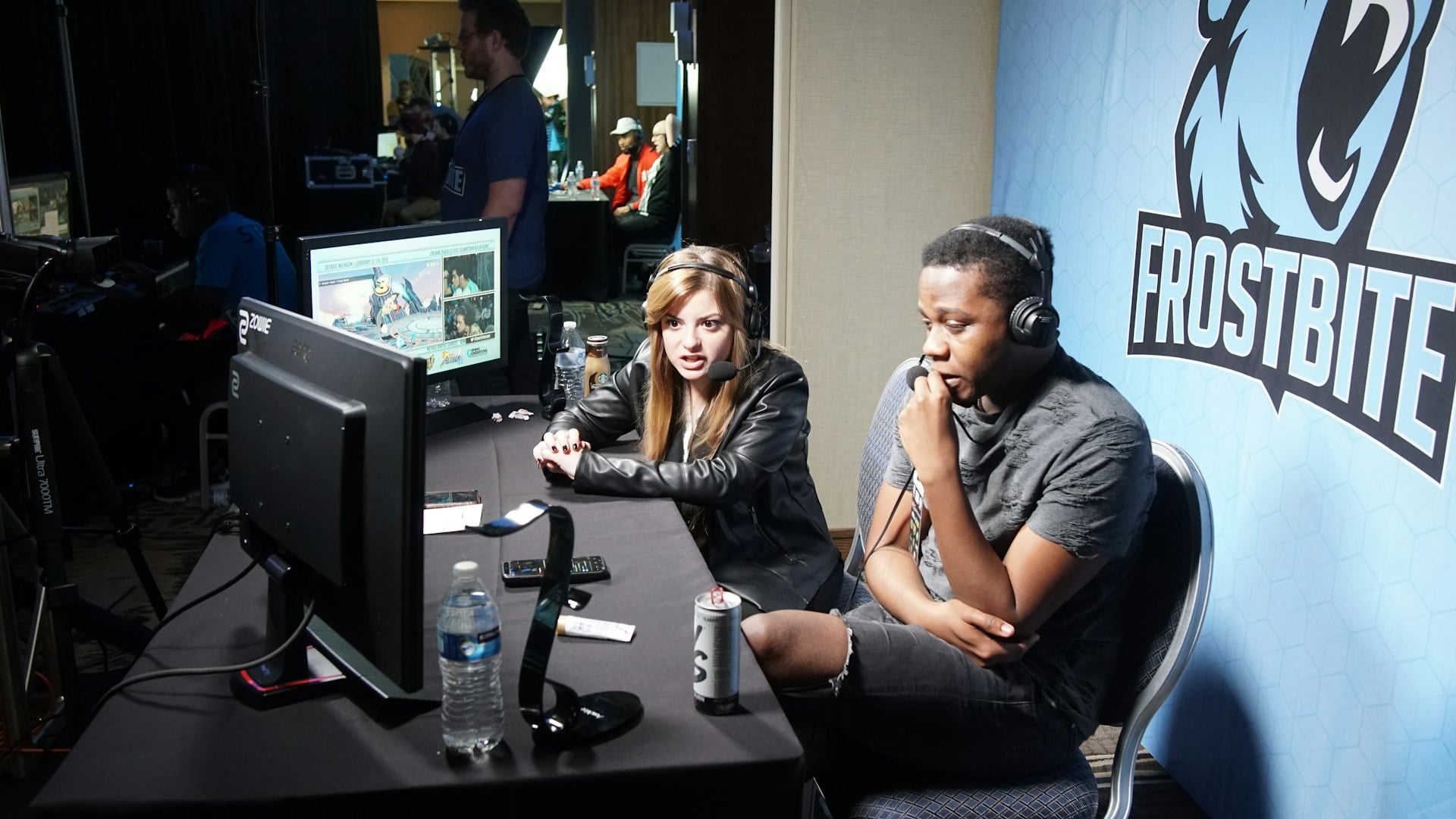
Esports spectators often watch with several channels open at once. A fan might follow the main broadcast, read live chat, check player statistics and discuss the match in a private group.
Streamers and analysts can also rebroadcast approved coverage with their own commentary, giving viewers different ways to understand the same competition.
That level of participation helps explain the relationship between viewing and wagering. Research on betting and viewer engagement examines how a financial interest can affect attention, viewing time, and emotional involvement.
In esports, rapid rounds and frequent in-match events give digital platforms many potential moments to update markets.
Readers evaluating a provider should still separate engagement features from basic service quality. An independent Cloudbet review can help adult users assess security, payout speed, bonus conditions, and the overall player experience before deciding whether a platform meets their needs.
A useful evaluation starts with the details that affect control. Check whether the service clearly identifies eligible countries and minimum ages, explains settlement rules, and provides deposit limits or account-restriction tools. Market names should also match events shown by official tournament sources.
If a platform offers a wager on a match that has been rescheduled, renamed, or moved to another format, unclear rules can quickly lead to disputes.
Live participation may keep viewers focused, but speed shouldn’t replace careful checking. Odds can change within seconds, and a delayed video feed may show action after the platform’s data system has already recorded it.
Where Digital Wagering Enters the Arena?
Digital wagering typically appears at three points in the esports viewing cycle. Before a match, markets may cover the winner of a series, the final score or tournament placement.
During play, live markets can respond to map results, round outcomes and other measurable events. Afterwards, settlement systems compare the official result with the platform’s published rules.
The technical process depends on accurate event data. Tournament feeds send information to data companies, which organize it and deliver updates to operators.
Automated systems may adjust odds when a team takes an early lead or when a roster change affects expectations. Traders can review unusual movement and suspend a market if the available information becomes unreliable.
For viewers, the safest practical approach is to confirm the event format before placing any stake. A best-of-three series works differently from a single-map match, and settlement can change if a team withdraws.
Read the platform’s rules for postponements, disconnections and abandoned games. You should also compare the listed start time with the organizer’s official schedule because esports events often run late.
Budget controls deserve equal attention. Treat any stake as entertainment spending, set a fixed limit before the broadcast begins and avoid increasing it after a loss.
Fast-moving markets can encourage repeated decisions without much reflection, so time limits and deposit caps create useful stopping points.
Age controls are especially significant because esports draws many younger viewers. Platforms, publishers and tournament organizers need clear separation between general gaming content and age-restricted promotions.
Visible disclosures, responsible marketing rules and reliable identity checks help reduce the chance that restricted services reach underage audiences.
Future Infrastructure Challenges
The market’s next phase will depend less on adding more wager types and more on improving the systems behind them.
Data speed, accuracy and ownership remain central concerns. If two providers receive different versions of an event feed, they may settle the same market differently. Organizers need consistent definitions for official results, technical pauses and match cancellations.
Integrity monitoring presents another challenge. Tournament operators, teams, data companies, and regulated platforms need channels to report suspicious activity.
Unusual betting patterns don’t prove misconduct on their own, but they can trigger a closer review when combined with unexpected roster decisions or abnormal in-game behavior. Clear record keeping gives investigators a dependable timeline.
Cross-border access adds further complexity. Esports events reach global audiences, while betting rules differ sharply between jurisdictions.
A service available to one viewer may be restricted for someone watching the same stream elsewhere. Operators must apply location checks, age verification, and local consumer protections without implying universal access.
Streaming delays also need clearer communication. A broadcast may trail the live event by several seconds or more, while a wagering platform receives direct data almost immediately. Viewers should see a notice when a stream delay could affect live decisions.
The strongest infrastructure will give every participant a clearer view of what happened and when. Official data standards, transparent settlement policies and effective spending controls can support that goal. If the industry leaves those systems vague, rising audience numbers will only magnify disputes.
Its long-term credibility will depend on accurate results and firm boundaries that keep entertainment from turning into uncontrolled spending.
