

wp:image {“id”:24384,”sizeSlug”:”full”,”linkDestination”:”none”,”align”:”center”}
/wp:image
wp:paragraph
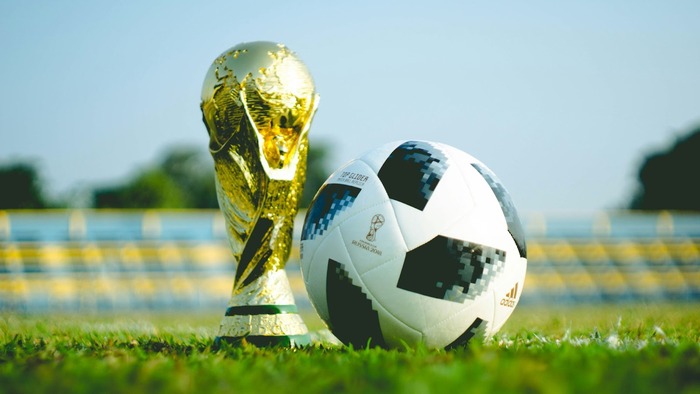
The World Cup, hosted every four years, is the most followed event in football and sport in general. The FIFA World Cup not only focuses on the glory of football for any nation but also captures the attention of the audience around the globe.
/wp:paragraph
wp:paragraph
Starting off as a simple competition in 1930, with some small changes along the years, it is now a household event in many countries. Underdog victories will always remain as a central theme along with the legendary performances, memorable moments and innovation in tactics and technology have struggled to be on par with the tournament’s demand over the years.
/wp:paragraph
wp:paragraph
Moreover, as its reach increased, the World Cup has also influenced many cultures and industries, such as betting online, which have integrated into the sports world.
/wp:paragraph
wp:heading
The Birth of a Global Phenomenon (1930-1950s)
/wp:heading
wp:paragraph
The very first FIFA World Cup was held in 1930 in Uruguay for 13 teams, which only included Europe, South America and North America, showcasing continental football spirit of international goodwill. Uruguay surprisingly defeated Argentina in the finale amidst a huge crowd for the first cup.
/wp:paragraph
wp:paragraph
The war dramatically interrupted the tournament, delaying the 1942 and 1946 editions. The socio-political and economic crisis many nations faced during that time was showcased in the war. Football fanatics finally got a much awaited treat in 1950 when the world cup resumed.
/wp:paragraph
wp:paragraph
Along with the revival of the competition, one of the most talked events in football history also took place—Uruguay’s astonishing victory over Brazil at the Maracanã Stadium, still widely known as the ‘maracanazo’ in front of more than 200,000 spectators.
/wp:paragraph
wp:paragraph
Today, this event is still regarded as one of the most remarkable events in World Cup history, alongside the marvelous excitement spawned from intense competition between countries zestful to lift the trophy.
/wp:paragraph
wp:heading
Expansion and the Rise of Global Icons (1960s-1980s)
/wp:heading
wp:paragraph
Pele’s stunning performances from 1958 to 1970 also saw him capture the hearts of many, and he became the face of Brazil when he single-handedly drove them to three World Cups in 1958, 1962, and 1970. As the sport grew, so did its popularity around the globe, and the tournament saw considerable growth in terms of viewers from outside Europe and South America.
/wp:paragraph
wp:paragraph
The introduction of the FIFA World Cup Trophy at the 1974 World Cup also marked a shift in how the tournament was viewed. This replaced the Jules Rimet Trophy which was permanently held by Brazil after winning their third title. The world also got to witness the birth of total football during this decade which was a new and advanced way of playing the game invented by the Dutch under Johan Cruyff.
/wp:paragraph
wp:paragraph
For the 1980s, it was more about Diego Maradona’s unparalleled brilliance over the tournament. His performance in the 1986 World Cup in Mexico was nothing short of legendary, especially his infamous “Hand of God” goal and stunning “goal of the century” against England, where he led Argentina to capture their second title.
/wp:paragraph
wp:heading
The Modernization of the Tournament (1990s-2010s)
/wp:heading
wp:paragraph
The world entered the 1990s with a surge of interest in international business. Technology and marketing opportunities increased for South Korea. The USA set new attendance records by hosting the 1994 tournament, and France won its first title in 1998 as the tournament expanded to 32 teams.
/wp:paragraph
wp:paragraph
Football became more popular internationally and so did the digital interactions related to the World Cup. The tournament showcased through South Africa in 2010 featured the famed vuvuzela. Goal-line technology was also added in 2014 to better deceive the public with fairer results.
/wp:paragraph
wp:paragraph
At this time, mobile applications transformed fans’ interactions with the sport. Fans can now stay updated and follow live matches on their smartphones through platforms like the MelBet app, making interaction with the sport more engaging than before.
/wp:paragraph
wp:heading
The Future: Innovation, Expansion, and New Challenges
/wp:heading
wp:paragraph
The Qatar 2022 FIFA World Cup surpassed all expectations in terms of fitness level of the competitors with the implementation of semi-automated offside technology. They also experienced their first World Cup in winter.
/wp:paragraph
wp:paragraph
The upcoming FIFA World Cup will have 48 participating teams. AI analytics, VR for the audience, and advanced video technology have all been incorporated, indicating that the Mercedes-Benz world stadium hasn’t scratched the surface of its potential.
/wp:paragraph
wp:paragraph
From 13 initial teams in 1930 alongside a multi-billion dollar dream budget dedicated for renovations like football technology, The FIFA World Cup is in a constant state of evolution. It strives to maintain its ever-growing status as the primary idol of admiration and as a tools uniting people from all parts of the world.
/wp:paragraph
