


On May 21, 2023, a team called GamerLegion — a roster with no franchise slot, no seat at BLAST’s table, and a squad that had barely scraped out of the Challengers Stage — walked onto the main stage of the Paris Major grand final against Team Vitality.
They lost 2-0, dropping Overpass 16-6 and Nuke 16-13. But the fact that they were there at all, standing across from a team stacked with ZywOo and apEX, said more about the state of Counter-Strike than the scoreline did.
Ten weeks later, Valve made that kind of run the rule rather than the exception. On August 3, 2023, the developer announced it would end business relationships between teams and tournament organizers starting with the 2025 season, killing the franchise and partner-league model that ESL and BLAST had spent years building.
Three years on, the results are visible in every bracket of the current counter strike esports calendar, and they’re better than almost anyone in the scene expected in 2023.
What Did Valve’s 2023 Ruling Actually Shut Down?

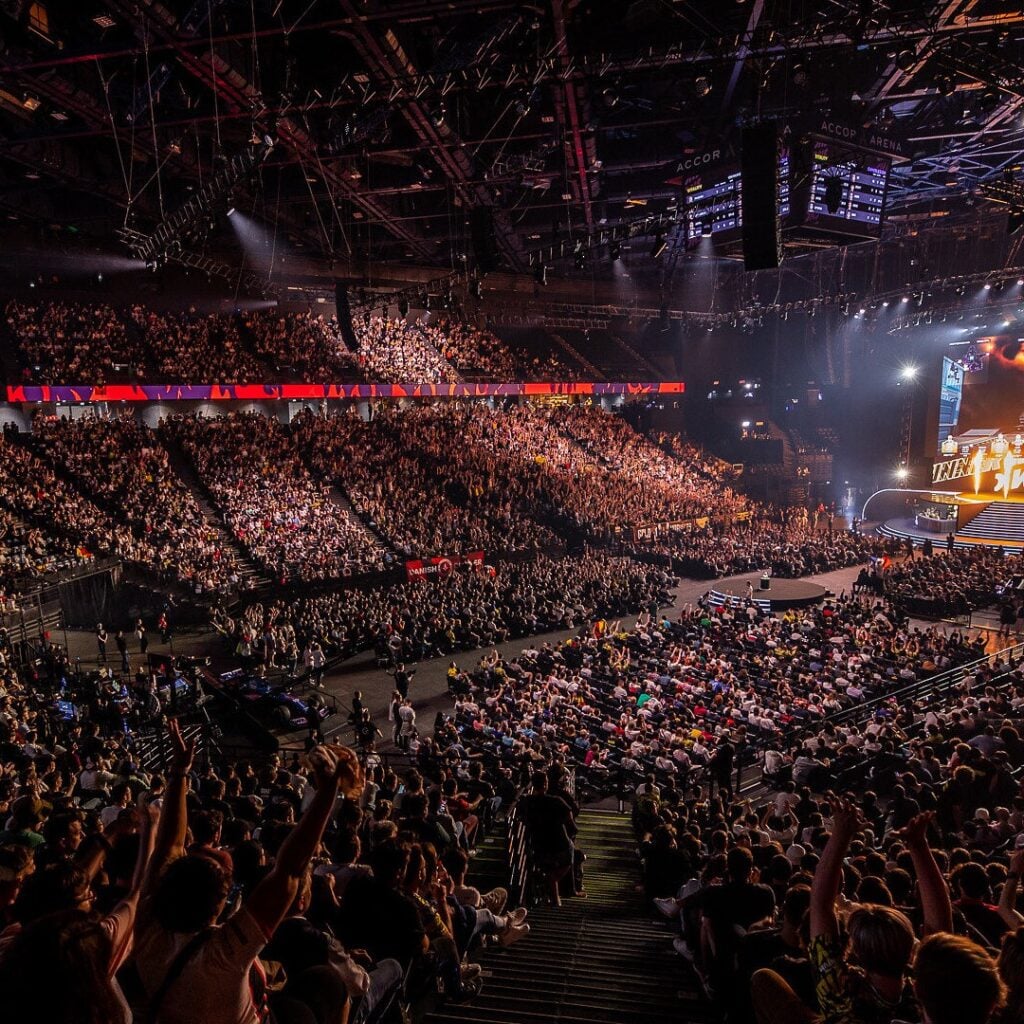
Valve’s announcement laid out three rules: tournament organizers could no longer hold exclusive business ties with participating teams, invitations had to run through Valve’s own Regional Standings (VRS) or open qualifiers, and any compensation paid to teams had to be made public.
That last rule mattered as much as the first two — it removed the incentive for an organizer to quietly guarantee a struggling brand a seat every season regardless of form, since fans and rivals alike could now see what that seat actually cost.
BLAST Premier had grown its “core” roster to 16 teams by 2024, with member and affiliate slots that functioned almost like sports franchises: transferable, tradeable, insulated from relegation.
When Evil Geniuses’ BLAST slot went up for grabs that December, Cloud9 simply bought it, a business transaction that had nothing to do with what either roster had actually done on a server (HLTV.org).
Days later, BLAST added Virtus.pro, Falcons, Spirit, and GamerLegion as new affiliate members for the final year of the old system, a last expansion before the whole structure was scheduled to dissolve.
Why Were Franchise Slots Breaking the Scene Before 2025?
The Paris Major itself was the clearest evidence Valve had. GamerLegion wasn’t the only outsider making noise that May — Monte and Apeks pushed deep into the Champions Stage, while franchised names like G2 and NAVI never made it out of the earlier rounds (Liquipedia).
A system built to guarantee stability for member organizations was instead producing brackets where the guaranteed teams looked shakier than the ones fighting through open qualifiers.
Covering the scene from the outside, you could feel that gap even without checking a scoreboard — franchised rosters showed up to Tier 1 events with noticeably less to prove, and it read on stream, in the pacing of their matches and the way analysts talked about them going into a series.
What Happened to the Teams That Depended on Franchise Money?
Some organizations struggled with the transition. Losing a guaranteed BLAST or ESL seat meant losing a predictable revenue line, and a handful of mid-tier brands that had built rosters around that security had to rebuild their business model around results instead of contracts.
Luminosity Gaming is a useful case: the organization stepped away from CS entirely for nearly eight years before returning this July with a roster built from Monte’s core and Legacy’s lux, competing at XSE Pro League 2026 with no franchise cushion to fall back on.
That’s the tradeoff in plain terms — fewer guaranteed paychecks, but a much clearer path back in for anyone willing to earn it.
What Does the Open Circuit Actually Look Like in 2026?


The calendar this year makes the shift concrete. IEM Cologne carried full Major status for the first time, running June 2 to June 21, with invites decided by VRS points rather than a standing partnership.
ESL Pro League Season 23 sent its playoffs to Stockholm’s Annexet arena; Season 24 runs October 3 to 11 at Katowice’s Spodek, trimmed down from its old franchise-heavy format.
BLAST, meanwhile, replaced its member-team circuit with Bounty, Open, and Rivals events, three separate tiers, each earning its field through results rather than contracts.
9z’s win at XSE Pro League 2026 on July 12 — a 3-0 sweep of PARIVISION worth $260,000 that pushed them to 6th in the VRS — is exactly the kind of story a franchise slot would have made structurally impossible five years ago.
For anyone tracking how a team’s ranking actually moves through this system, a resource like escharts.com’s CS2 tournament tracker is genuinely useful.
It lays out prize distribution and standings across ESL, BLAST, and PGL side by side, which is exactly the kind of cross-organizer comparison that a franchise system made almost pointless, since half the field never had to earn its spot in the first place.
Is the Open Circuit Actually Better for Competitive Integrity?
Not everyone in the industry agrees the tradeoff was free. BLAST and ESL both had to redesign entire tournament structures on short notice after 2023’s announcement, and some organizations argue the loss of guaranteed revenue makes long-term roster planning harder than it used to be.
Those are fair complaints. But the on-server evidence keeps stacking up in the open circuit’s favor: teams climbing to the top of the VRS after grinding through a real bracket, rather than being installed there by a franchise contract, is now the norm rather than a headline-worthy exception.
Three years after that Paris Major final, the question Valve’s ruling posed has mostly answered itself. A tier-2 team reaching a grand final used to be a story. Now it’s just Tuesday.

