

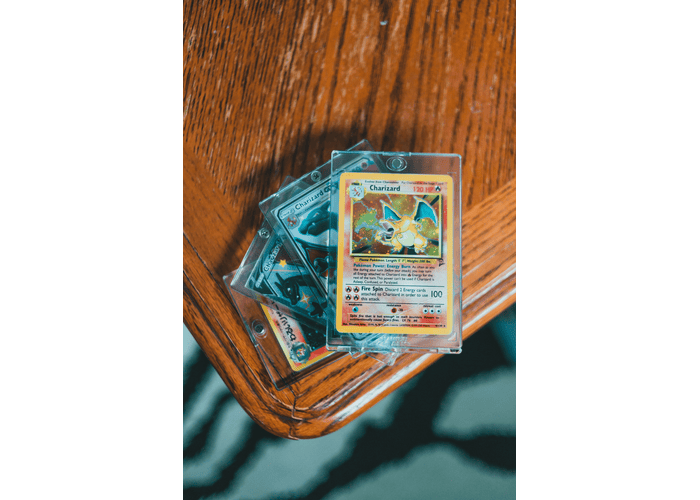
With the Pokémon trading card market booming in recent years knowing the value of your cards has become an essential part of collecting, trading and even selling.
That is where a Pokémon card value checker comes in. These tools help you quickly estimate what your cards are worth based on real-time market data, condition, rarity and demand.
So let’s take a look at how to use a Pokémon card checker, what factors can affect card prices and how to get the most accurate results.
What is a Pokémon card value checker?
A Pokémon card value checker is an online tool that estimates the market price of a specific card. It uses data from recent sales, auctions and trading platforms to give you an up-to-date value range.
Platforms like CardTrack.com’s Pokémon card value checker can help users to search thousands of cards and instantly see pricing insights, trends and historical performance.
These tools are useful for everyone whether you’re:
- A casual collector curious about your old cards
- A trader looking to buy or sell
- A competitive player tracking market demand
- A serious investor managing a large collection
How to use a Pokémon card value checker?
Using a value checker is an easy process. But knowing how to interpret the results is just as important. Here are some simple steps to follow:
Step 1: Search for your card
Start by typing the card name into the search bar. Most tools will let you refine your search by set (Base Set, Jungle, Scarlet and Violet) or card number.
For example:
- Charizard Base Set
- Pikachu Illustrator
- Mewtwo EX
The more specific you are at this point, the more accurate your results will be. It will also make the task of finding your card much quicker.
Step 2: Select the exact version
Many Pokémon cards have multiple versions such as holographic, reverse holo, first edition or promo editions.
Make sure you choose the correct version of your card, as prices can vary significantly between them. Even smaller differences like a “1st Edition stamp” can dramatically increase value.
Step 3: Check the condition
Condition is one of the biggest factors in card pricing. Most value checkers will use standard grading terms like:
- Mint/ Gem Mint (perfect condition)
- Near Mint (light wear/ almost perfect)
- Lightly played (visible wear)
- Heavily played (significant damage)
Some platforms even include grading estimates based on card images or user input.
Step 4: Review the market price range
Once you’ve entered your card details, you will usually see a price range rather than a single number. This range is based on:
- Recent sales data
- Current listings
- Market demand fluctuations
For example a card might show:
- Low: $25
- Average $60
- High: $120
This can help you understand both conservative and optimistic value estimates.
Step 5: Look at market trends
A good value checker doesn’t just show current prices; it also shows trends over time. You might notice:
- Prices rising due to popularity spikes
- Movie or video game releases or re-releases
- Drops after reprints or re-releases
- Seasonal demand changes
This is especially useful if you’re deciding whether to sell now or hold onto your cards.
What affects Pokémon card value?
There are a number of factors that influence how much a card is worth:
- Rarity: Rare cards are naturally more valuable, especially secret rares, full arts and vintage from early sets
- Condition: Even a rare card can lose significant value if it’s damaged
- Demand: Popular Pokémon like Charizard, Pikachu and Umbreon tend to maintain strong market demand
- Grading: Professionally graded cards (PSA, Beckett, CGC) often sell for much higher prices than raw cards
- Set and Era: Older sets (especially Base Set and Neo series) are highly collectible due to nostalgia and scarcity
Tips for getting the most accurate value
If you want the most reliable results from a Pokémon card value checker, keep these tips in mind:
- Always double-check the exact card version
- Compare multiple recent sales, not just one listing
- Be honest about condition; small flaws matter
- Track prices over time instead of relying on one snapshot
- Consider grading if you have high-value cards
Why card value checkers are useful for collectors?
Whether you’re casually collecting or building a serious portfolio, value checkers help you make smarter decisions. They take the guesswork out of pricing and give you real data based on the current market.
For collectors using platforms like CardTrack.com, these tools also help track portfolio value, spot trends early and identify good trading opportunities.
A Pokémon card value checker is one of the most useful tools for anyone in the trading card community. It helps you understand what your collection is really worth and makes buying, selling and trading far more informed.
As the card market continues to grow, having access to accurate pricing data is becoming essential, not just for collectors but for anyone looking to engage seriously with the hobby.
