

As the iGaming industry continues to expand globally, operators are facing increasing pressure to maintain stable performance while supporting larger audiences and growing content libraries.
In 2026, companies like EdgeLabs are becoming increasingly relevant as operators search for infrastructure solutions that can support long-term scalability and operational efficiency.
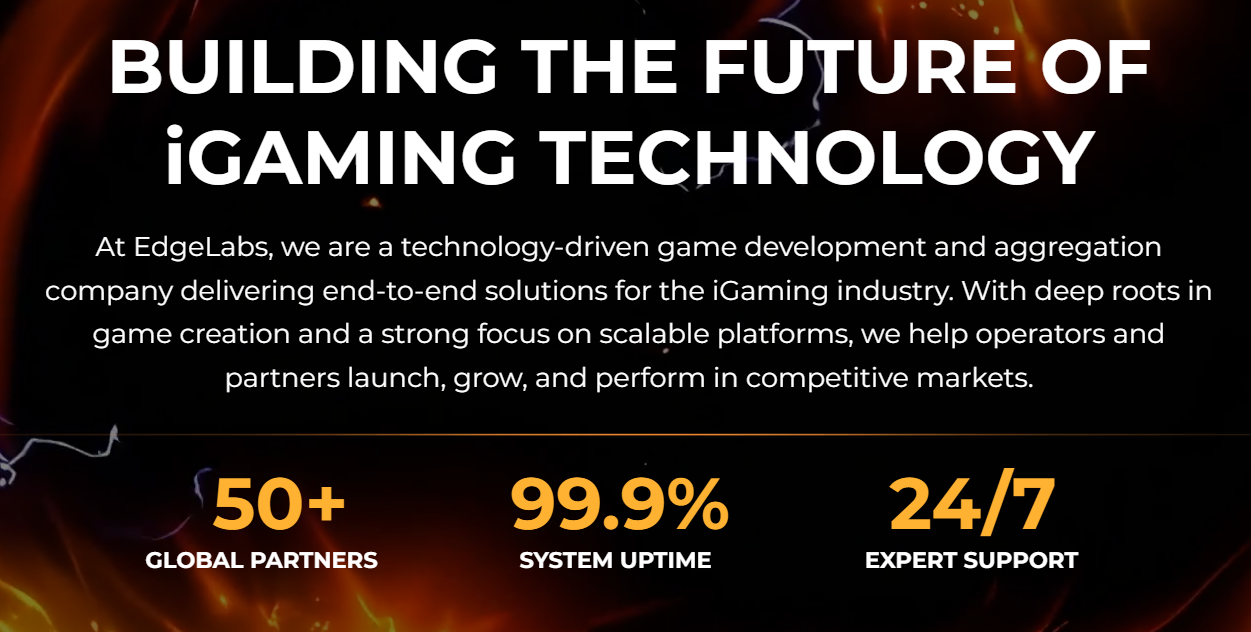
Modern casino platforms are no longer judged only by their game selection — infrastructure quality has become just as important as content itself.
Why Infrastructure Has Become a Critical Competitive Factor?
The technical demands placed on iGaming platforms are significantly higher today than they were just a few years ago.
Mobile traffic, live operations, and global audiences have increased the need for stable and scalable systems.
Operators now need infrastructure capable of:
- Handling large volumes of simultaneous users
- Supporting fast transaction processing
- Maintaining stable uptime during traffic spikes
- Delivering content consistently across devices
- Managing continuous platform updates
Without scalable infrastructure, even strong casino brands can experience performance issues that negatively impact player retention and revenue.
The Risks of Poor Technical Performance
Technical instability can create major operational problems for online casinos. Slow loading times, downtime, or failed transactions directly affect user experience and player trust.
Common infrastructure-related problems include:
- Game loading delays
- The platform crashes during peak traffic
- Integration failures
- Payment processing interruptions
- Inconsistent mobile performance
As competition increases, players are less willing to tolerate poor platform performance, making technical reliability a major business priority.
Scalable Infrastructure vs Traditional Systems
| Feature | Traditional Infrastructure | Scalable Infrastructure |
| Traffic Handling | Limited capacity | Supports high user volumes |
| Platform Stability | Higher risk of downtime | Consistent uptime |
| Content Expansion | More difficult to manage | Easy scaling |
| System Flexibility | Rigid architecture | Adaptable infrastructure |
| Operational Efficiency | Higher maintenance workload | Streamlined operations |
This shift explains why operators are increasingly investing in modern infrastructure solutions rather than relying on outdated systems.
How Aggregation and Infrastructure Are Becoming Connected?
As operators expand their content offerings, infrastructure and aggregation are becoming closely connected.
Managing multiple providers through separate integrations creates additional technical complexity. Modern aggregation platforms help simplify this process by centralizing content distribution and reducing operational overhead.
This approach provides several advantages:
- Simplified API management
- Faster deployment of new content
- Reduced maintenance complexity
- Improved scalability for future growth
For growing operators, this combination of aggregation and scalable infrastructure is becoming increasingly valuable.
Why Integrated Ecosystems Are Gaining Attention?
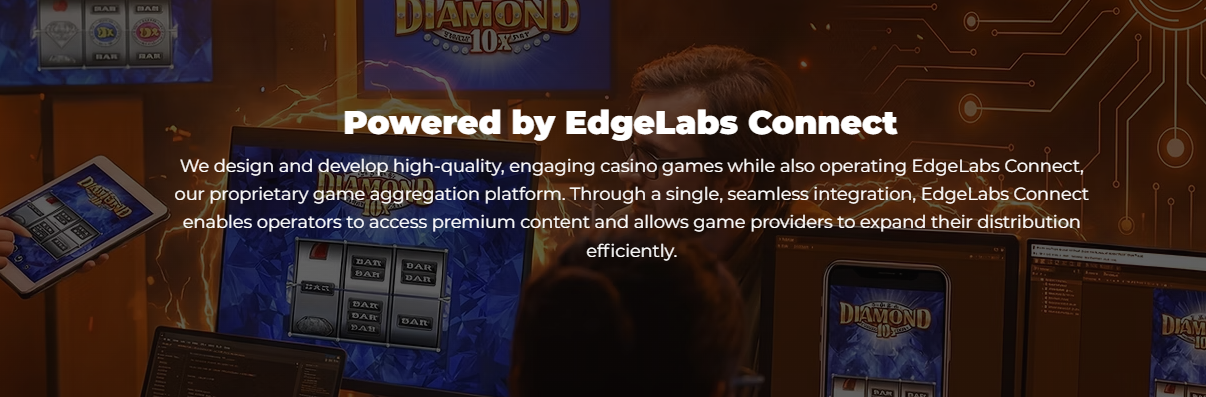
The market is gradually shifting toward integrated ecosystems that combine infrastructure, aggregation, and content delivery within one platform.
Companies such as EdgeLabs reflect this trend by providing solutions designed to support stable performance, scalable operations, and simplified integrations.
By combining multiple operational layers into a single ecosystem, platforms can help operators improve efficiency while reducing technical friction.
Final Thoughts
Scalable infrastructure is becoming one of the most important foundations of modern iGaming operations.
As player expectations continue to rise and content ecosystems become more complex, operators need systems capable of delivering stable performance, flexible scaling, and reliable integrations.
The companies that invest in modern infrastructure today will be better positioned to compete in the increasingly demanding iGaming market of the future.
